Ah, Seychelles! When you picture this breathtaking archipelago, your mind probably jumps straight to those impossibly turquoise waters and powder-soft beaches, right?
But what truly blew me away on my own journey there wasn’t just the scenery; it was the absolutely vibrant tapestry of people who call these islands home.
From the moment I stepped off the plane, I felt this incredible energy, a true reflection of centuries of diverse histories, dreams, and journeys all converging in one unforgettable place.
It’s not just a beautiful country; it’s a living, breathing testament to cultural harmony, a unique melting pot forged by explorers, traders, and dreamers from every corner of the globe.
I’ve explored many places, but the Seychellois spirit is genuinely infectious. You see it in their smiles, hear it in the lilting Creole language, and taste it in their incredible fusion cuisine.
It’s a culture that proudly celebrates its roots from Africa, Europe, and Asia, all blending into something entirely new and uniquely Seychellois. In an increasingly globalized world, where many cultures struggle to maintain their distinctiveness, Seychelles stands out as a shining example of how diversity can create extraordinary unity and a fierce pride in one’s heritage.
This isn’t just about demographics; it’s about the heart and soul of an entire nation. Join me as we uncover the fascinating story behind the incredible people of Seychelles and discover what makes their cultural blend so exceptionally rich and inspiring.
A Mosaic Forged by the Tides of Time
Stepping onto the shores of Seychelles, you can almost feel the whispers of history carried on the warm ocean breeze. What I found so captivating wasn’t just the pristine natural beauty, but the incredible story etched into the very soul of its people. It’s a narrative of intrepid explorers, resilient migrants, and diverse cultures converging to create something truly unique. From the early French settlers and their enslaved African laborers who first shaped the islands, to the waves of British administrators, Indian traders, and Chinese merchants who followed, each group contributed a vital thread to the rich tapestry we see today. It’s not just a collection of different origins; it’s a living testament to human adaptability and the fascinating ways cultures can intertwine and evolve, much like the roots of the ancient Takamaka trees on these islands, growing strong and deep. I remember standing in Victoria, the capital, and just observing the faces around me – a stunning blend of features that spoke volumes about this incredible heritage. It felt like walking through a living history book, each smile and gesture telling a piece of a centuries-old journey. It truly makes you appreciate the resilience and enduring spirit of those who built this nation from the ground up.
Echoes of History: European and African Roots
The foundational layers of Seychellois society, culture, and language are undeniably rooted in the early European, primarily French, colonization and the significant influx of enslaved people from various parts of Africa. When the French first arrived in the mid-18th century, they brought with them a system that, while abhorrent, ultimately set the stage for the unique Creole identity. The African influence, though born from suffering, is profound and beautiful, manifesting in everything from the rhythmic beats of the Moutia dance to the incredibly flavorful cuisine. It’s in the resilient spirit of the Seychellois people, their storytelling traditions, and the deep sense of community that I felt so strongly during my visit. Walking through old plantations, now often vibrant guest houses, you can still sense the echoes of their ancestors’ struggles and triumphs. It’s a powerful reminder of how adversity can, over generations, forge an unbreakable sense of identity and shared heritage. The Creole language itself is a direct product of this interaction, a vibrant linguistic bridge that beautifully captures the essence of these diverse beginnings.
Asian Influences: A Spice Route Legacy
As the islands developed, their strategic location in the Indian Ocean naturally drew in traders and laborers from further afield, particularly from India and China. The Indian community, in particular, played a crucial role in establishing commercial enterprises, bringing with them not just their entrepreneurial spirit but also their rich culinary traditions, vibrant festivals, and distinctive architectural styles. You see this vividly in Victoria, with its ornate Hindu temples and bustling markets, which feel straight out of a bustling Indian town. The Chinese community also contributed significantly, especially in commerce and culinary arts, introducing new flavors and techniques that are now integral to the Seychellois diet. These influences weren’t just about business; they were about sharing life, traditions, and an entirely different perspective. I particularly loved discovering how these disparate elements have been so seamlessly woven into the local fabric, creating a cultural stew that’s more than the sum of its parts. It’s a beautiful illustration of how global interactions, even centuries ago, could foster such a harmonious and delicious blend.
The Heartbeat of Creole Life: Language and Connection
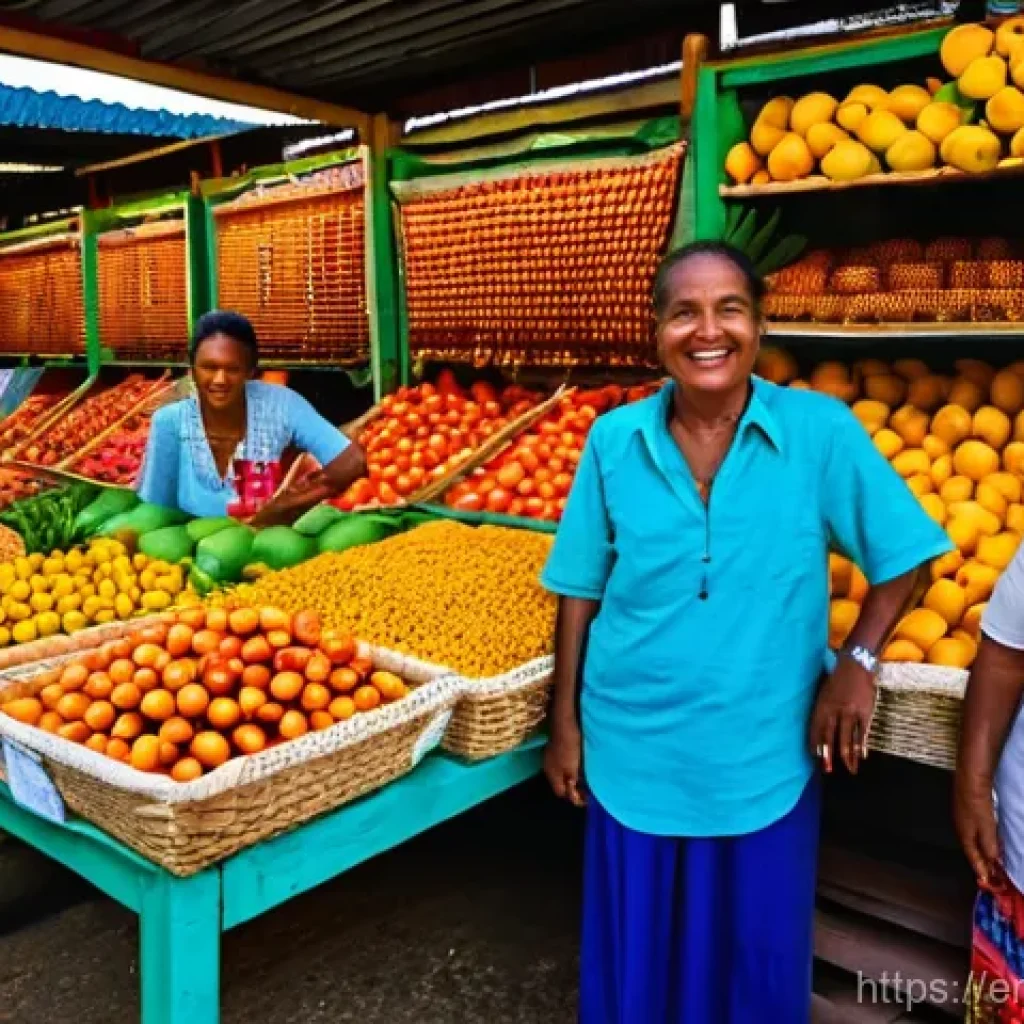
There’s something truly magical about the Seychellois Creole language, or Seselwa as it’s locally known. It’s more than just a means of communication; it’s the very soul of the islands, a vibrant tapestry woven from French, African languages, and even hints of English and other tongues. I found myself absolutely enchanted by its lilting cadence and expressive nature. Conversations felt so much more animated, filled with a warmth and directness that instantly made me feel at home. It’s a language born of necessity but evolved into an art form, encapsulating the history, humor, and heart of the Seychellois people. From the bustling market square to quiet village gatherings, the sound of Seselwa is ever-present, a constant reminder of the unique identity forged on these distant shores. It’s a language that celebrates simplicity and directness, but also carries a surprising depth of poetic expression, often making me wish I’d spent more time learning it before my trip. It truly is the rhythm section of their entire cultural symphony.
Beyond Words: The Soul of Seselwa
What struck me most about Seselwa wasn’t just its sound, but its role in binding the community together. It felt incredibly inclusive, a universal key that unlocked genuine connection. Even a few basic phrases, like “Bonzour” (good day) or “Mersi” (thank you), would elicit the brightest smiles and warm responses. It’s a language that mirrors the Seychellois spirit – welcoming, fluid, and utterly charming. They often told me that speaking Creole isn’t just about the words; it’s about the feeling, the emotion, the shared understanding that comes from a common tongue. It’s a language rich in proverbs and colorful expressions that paint vivid pictures of island life, highlighting their deep connection to nature and their easy-going philosophy. You really get a sense that it’s a living, breathing part of their identity, constantly evolving yet firmly rooted in their shared past. It’s a beautiful testament to how language can preserve and transmit a culture’s very essence, making it resonate far beyond its shores.
Family First: The Cornerstone of Society
If there’s one thing that truly defines the Seychellois way of life, it’s the profound importance of family. This isn’t just about the nuclear family; it extends to a vast network of aunts, uncles, cousins, and even close friends who are considered family. I saw this firsthand in how deeply interconnected communities are, how children are often raised by an entire village, and how elders are revered and respected. Family gatherings are vibrant affairs, filled with laughter, incredible food, and endless storytelling. It’s a collective identity where everyone looks out for each other, creating a safety net and a sense of belonging that is truly heartwarming. This strong familial bond is what gives Seychellois society its incredible resilience and warmth, a foundational principle that guides daily interactions and celebrations alike. It’s something I felt in every interaction, a tangible sense of community that makes you feel instantly part of something bigger than yourself, even as a visitor.
Culinary Delights: A Taste of Paradise
Oh, the food! If there’s one thing I miss most about Seychelles, it’s the incredible explosion of flavors that defines their cuisine. Seychellois food is a delicious reflection of its history and diverse influences, a perfect fusion of African, French, Indian, and Chinese culinary traditions, all centered around the freshest ingredients from the land and, most importantly, the sea. Every meal felt like a celebration, a vibrant symphony of spices, tropical fruits, and succulent seafood. I remember a small beachside shack where I had the most unforgettable grilled fish, simply seasoned and cooked to perfection, caught that very morning. The aromas alone were enough to make your mouth water, promising a feast for the senses. It’s a cuisine that embraces bold flavors, often with a hint of chili, but always balanced and incredibly satisfying. From rich curries to zesty salads, every dish tells a story of the islands, a true testament to the culinary creativity born from centuries of cultural mingling. Trust me, you haven’t truly experienced Seychelles until you’ve savored its gastronomic treasures.
From the Ocean to Your Plate: Seafood Delights
Given its island location, it’s no surprise that seafood forms the backbone of Seychellois cuisine, and honestly, it’s a revelation. Imagine having fresh-caught fish, octopus, or prawns prepared in countless mouth-watering ways, often seasoned with local herbs and spices like ginger, garlic, and bird’s eye chilies. My absolute favorite was the grilled red snapper, its skin perfectly crispy, flesh tender and flaky, often accompanied by a zesty lime and chili sauce. Then there’s the octopus curry, a rich and creamy dish infused with coconut milk and exotic spices, which I still dream about! The bounty of the Indian Ocean is truly celebrated here, with fishermen heading out daily to bring in the freshest catch. You can even visit local markets and choose your fish directly, sometimes even having it cooked for you right there. It’s an authentic, farm-to-table (or rather, ocean-to-table) experience that makes every seafood dish taste like pure paradise. I quickly learned that when it comes to fish, the Seychellois definitely know best.
Spices and Secrets: The Art of Creole Cooking
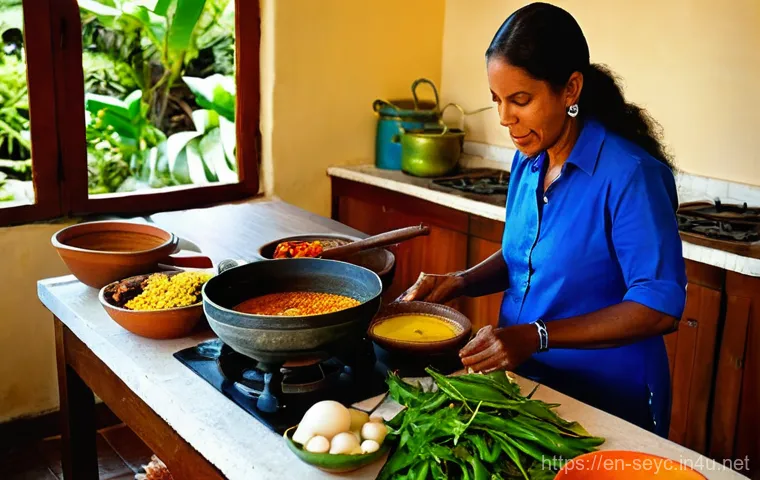
Beyond the fresh seafood, the true magic of Seychellois cuisine lies in its masterful use of spices and local produce. Coconut milk, cinnamon, vanilla, turmeric, and ginger are staples, creating deep, complex flavors that are both comforting and exotic. Many dishes feature a base of rice, often served with chutneys made from unripe mangoes or papayas, adding a refreshing tang. I was fascinated by how they incorporated indigenous ingredients, like breadfruit and bilimbi, into everyday cooking. Learning even a few basic Creole cooking techniques from a local host was one of the highlights of my trip; the emphasis is always on fresh, local ingredients and a balance of flavors. It’s simple yet sophisticated, rustic yet refined, and utterly unforgettable. The secrets of Creole cooking aren’t just recipes; they’re passed down through generations, embodying the history and love that goes into every single meal. This culinary tradition truly is a cornerstone of their vibrant culture, and it’s something I’d wholeheartedly recommend diving into.
Rhythms of the Islands: Music and Dance That Move You
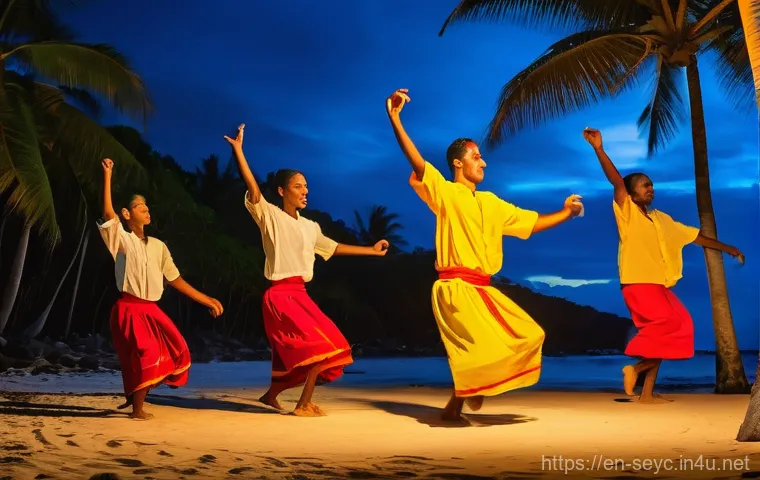
You can’t talk about the Seychellois spirit without talking about its music and dance. The islands thrum with a palpable rhythm that invites you to tap your feet, sway your hips, and just let go. It’s an infectious energy, a vibrant blend of African, European, and Asian influences that manifests in a truly unique soundscape. From the hypnotic beats of the Moutia to the lively steps of the Sega, music is not just entertainment here; it’s a vital expression of joy, history, and community. I remember stumbling upon an impromptu beach party where locals were dancing with such uninhibited joy, their movements telling stories of their heritage, their laughter echoing under the starlit sky. It’s a powerful reminder that some of the deepest forms of human expression don’t need words; they just need a beat and a willingness to move. This cultural vibrancy truly adds another layer of richness to the Seychellois experience, making it feel incredibly alive and full of passion.
The Sega and Moutia: Dance of the People
The Sega and Moutia dances are more than just performances; they are living traditions, deeply embedded in the Seychellois cultural fabric. The Sega, with its energetic hip movements and colorful skirts, is a joyful expression often accompanied by lively accordion and drum music, originating from the enslaved communities. It’s a dance of celebration, social interaction, and pure happiness. The Moutia, on the other hand, is a more historical and intense dance, often performed around a bonfire, with its origins tracing back to African ritual dances. Its rhythmic drumming and chants were once a powerful form of expression for the enslaved, a way to convey their struggles and maintain their cultural identity under duress. Witnessing a Moutia performance was a truly moving experience for me, feeling the raw emotion and historical weight behind every beat. These dances aren’t just for tourists; they are an integral part of local life, performed at festivals, weddings, and casual gatherings, connecting generations to their shared past and vibrant present.
Modern Beats, Ancient Roots: Contemporary Seychellois Music
While traditional rhythms hold a special place, Seychellois music is far from static. Contemporary artists skillfully blend traditional instruments and Creole melodies with modern genres like reggae, pop, and zouk. You’ll hear these fresh sounds drifting from open windows, filling local bars, and enlivening radio waves. What’s amazing is how even these newer styles retain a distinctly Seychellois flavor, often incorporating elements of the Moutia’s powerful drumming or the Sega’s joyful melodies. I loved how artists here are not afraid to experiment, pushing boundaries while still honoring their roots. This blend creates a dynamic and ever-evolving music scene that speaks to the resilience and adaptability of the culture itself. It’s a beautiful testament to how traditions can be preserved not by freezing them in time, but by allowing them to breathe, grow, and merge with new influences, ensuring their relevance for generations to come. This fusion truly offers something for every musical taste, all with that undeniable island vibe.
Crafting Culture: Artistry and Local Creations
Walking through local markets and artisan shops in Seychelles, I was struck by the incredible talent and creativity of its people. The arts and crafts here are not merely souvenirs; they are tangible expressions of the islands’ natural beauty, cultural heritage, and the ingenuity of the Seychellois spirit. From intricate carvings made from local wood to vibrant paintings depicting breathtaking landscapes and daily life, each piece tells a story. It’s a culture that truly values handmade quality and an appreciation for natural materials. I found myself drawn to the unique jewelry crafted from seashells and coco de mer, each piece a small work of art reflecting the pristine environment. There’s an authentic charm to these creations, a sense that you’re taking home a piece of the islanders’ heart and soul, not just a mass-produced item. This dedication to craft is another beautiful layer in the vibrant cultural tapestry of Seychelles, showcasing their deep connection to their surroundings and their inherent artistic flair.
Hands of Gold: Traditional Crafts and Artisans
The traditional crafts of Seychelles are a testament to the skill and patience of its artisans. I spent a mesmerizing afternoon watching a woman weave a intricate basket from dried palm leaves, her fingers moving with practiced ease, a skill passed down through generations. These crafts aren’t just decorative; many serve practical purposes in daily life, like woven hats for sun protection or robust fishing traps. There’s also exquisite jewelry crafted from coconut shells, mother-of-pearl, and even the unique coco de mer nut, showcasing the islands’ natural bounty. You’ll find beautifully carved wooden sculptures, often depicting local wildlife or mythical figures, each one unique and bursting with character. What I found particularly heartwarming was how these artisans often work directly in front of you, happy to share insights into their craft and the stories behind their creations. It’s more than just buying an item; it’s an experience, a personal connection to the island’s heritage and the people who keep these ancient skills alive. They truly have hands of gold, transforming simple materials into treasures.
Island Inspiration: Art Reflecting Nature and Life
The stunning natural beauty of Seychelles—its turquoise waters, lush green mountains, and vibrant flora and fauna—serves as an endless muse for its artists. Paintings often burst with the vivid colors of the landscape, capturing the serene beaches, the dramatic granite formations, or the playful marine life. Beyond landscapes, many artists also delve into themes of daily life, depicting fishing boats returning to shore, bustling market scenes, or portraits of the diverse Seychellois people. I was particularly captivated by how local artists manage to capture the unique quality of light here, making their artwork feel incredibly alive and immersive. It’s clear that their environment is not just a backdrop but an intrinsic part of their artistic identity. This artistic expression provides a wonderful window into the Seychellois soul, revealing their deep appreciation for their home and their ability to translate its essence into beautiful, evocative forms. It’s a visual language that speaks volumes about their connection to this remarkable corner of the world.
Island Hospitality: The Warmth of the Seychellois Spirit
When I think about the people of Seychelles, the first word that comes to mind is “warmth.” From the moment I arrived, I was enveloped in an incredibly welcoming and genuine hospitality that made my visit truly unforgettable. It wasn’t just the polite smiles you get in tourist spots; it was the heartfelt invitations to share a meal, the friendly waves from passersby, and the effortless way locals engaged in conversation. There’s an inherent kindness and open-heartedness that seems to permeate every interaction. This isn’t just a facade for visitors; it’s deeply ingrained in their culture, a reflection of a community that values connection and mutual respect. I felt like I was visiting long-lost relatives rather than a foreign country, which is a rare and truly special feeling. It’s this genuine human connection that elevates a trip to Seychelles from merely seeing beautiful sights to experiencing the true heart and soul of the islands, making you feel like a cherished member of their extended family.
A Welcoming Embrace: What to Expect as a Visitor
Prepare to be charmed! As a visitor to Seychelles, you’re not just a tourist; you’re an honored guest. The Seychellois people genuinely enjoy sharing their beautiful home and rich culture. I found them always ready with a smile, eager to offer directions, or simply engage in friendly banter. There’s a relaxed, easy-going approach to life that is incredibly refreshing, and it’s infectious. Don’t be surprised if you’re invited to join a local gathering or offered a taste of homemade food; these gestures are born of genuine hospitality. They take pride in their heritage and are happy to answer questions about their traditions, history, or even the best spots for a sunset view. It’s an environment where you feel safe, respected, and genuinely cared for, fostering a sense of ease that allows you to fully immerse yourself in the island experience. This welcoming spirit is truly one of Seychelles’ greatest treasures, making every interaction feel authentic and memorable.
Community Bonds: The Strength of Island Living
Beyond the individual interactions, the strength of community bonds in Seychelles is something truly remarkable. Living on small islands fosters a profound sense of interdependence, where everyone knows everyone, and people genuinely look out for each other. This communal spirit is evident in their vibrant neighborhood gatherings, their willingness to lend a hand, and the collective effort put into local events and celebrations. There’s a beautiful sense of shared responsibility and collective joy that underpins daily life. It’s a powerful antidote to the isolation that can sometimes characterize modern life, reminding us of the importance of human connection and mutual support. This tight-knit social fabric not only preserves their culture but also provides a strong foundation for their future, ensuring that the unique Seychellois way of life continues to thrive. It’s a testament to the idea that true wealth often lies not in material possessions, but in the richness of human relationships.
Preserving Heritage: Community and Conservation
One of the most admirable aspects of the Seychellois people is their profound commitment to preserving their unique natural and cultural heritage. They understand, perhaps more acutely than many, that their very existence is tied to the health of their environment. This isn’t just about government policies; it’s a deeply ingrained ethos that extends to local communities, who are actively involved in protecting their precious ecosystems. From coral reef restoration projects to safeguarding endemic species, the Seychellois demonstrate a remarkable sense of stewardship. They recognize that their vibrant culture and their stunning natural beauty are inextricably linked, two sides of the same precious coin. I spoke with several locals who shared their personal stories of involvement in conservation efforts, and their passion was truly inspiring. It’s a powerful example of how a small nation can lead the way in sustainable living, proving that it’s possible to thrive economically while also being fierce guardians of the planet. This dedication is not just for themselves, but for future generations to come.
Guardians of Nature: Protecting Seychelles’ Unique Environment
The Seychellois are true guardians of their extraordinary environment. With a significant portion of their land and marine areas designated as national parks and protected zones, their commitment to conservation is undeniable. They actively work to protect their fragile coral reefs, rare endemic birds like the Black Parrot, and the iconic Coco de Mer palm. What makes it so impactful is that this isn’t just top-down legislation; it’s a community-driven effort. Locals participate in beach clean-ups, educational programs, and sustainable tourism initiatives, understanding that their livelihood and identity are intrinsically linked to the health of their islands. I was particularly impressed by the strict regulations against littering and the visible efforts to maintain the pristine condition of their beaches and forests. It’s a mindset that prioritizes long-term ecological health over short-term gains, setting an inspiring example for the rest of the world. Their dedication ensures that the unparalleled beauty of Seychelles will continue to captivate for generations.
Passing the Torch: Educating the Next Generation
A crucial part of preserving both cultural and natural heritage in Seychelles is the active effort to educate and inspire the younger generation. Schools and community programs emphasize environmental awareness, teaching children about the importance of their unique ecosystems and the endemic species that call Seychelles home. Similarly, traditional arts, crafts, music, and dance are actively taught and celebrated, ensuring that these vital aspects of their cultural identity are passed down. I noticed how children are often included in cultural events and family gatherings, naturally absorbing the customs and values that define their heritage. This intergenerational transfer of knowledge and traditions is what keeps the Seychellois spirit alive and thriving. It’s a conscious effort to instill pride in their roots and responsibility for their future, ensuring that the vibrant tapestry of Seychellois culture and its pristine environment continue to flourish under the care of those who will inherit it. This commitment to their youth is, perhaps, their most valuable investment.
| Aspect of Seychellois Culture | Key Influences | My Experience/Observation |
|---|---|---|
| Language (Seselwa Creole) | French, various African languages | Heard its melodic rhythm everywhere; felt it fostered deep connection. |
| Cuisine | African, French, Indian, Chinese | Loved the fresh seafood curries and tropical fruit chutneys, a true flavor explosion. |
| Music & Dance | African (Moutia), European (Sega) | Witnessed powerful Moutia performances and joyful Sega dances at local gatherings. |
| Community & Family Values | Traditional African, French colonial structures | Experienced incredible hospitality and the strong bonds of extended families. |
| Arts & Crafts | Indigenous materials, European/Asian techniques | Admired intricate coco de mer carvings and woven palm leaf baskets. |
Wrapping Up My Seychelles Journey
As my time in Seychelles came to a close, I found myself reflecting on the incredible tapestry of experiences woven by these islands. It’s more than just postcard-perfect beaches; it’s the genuine warmth of the Seychellois people, the vibrant pulse of their Creole culture, and the captivating fusion of histories that truly leaves an indelible mark. From the tantalizing flavors of their cuisine to the infectious rhythms of their music, every moment felt like a discovery, a deeper dive into a world shaped by both struggle and celebration. I leave with a heart full of memories and a profound appreciation for a place where tradition and natural beauty intertwine so effortlessly. It’s a destination that doesn’t just invite you to visit, but to truly connect with its soul.
Handy Tips for Your Seychelles Adventure
1. Currency Matters: The local currency is the Seychelles Rupee (SCR). While Euros and USD are accepted in many tourist establishments, it’s best to use SCR for smaller purchases and local markets to avoid unfavorable exchange rates. You can exchange money at the airport or banks, and ATMs are available on the main islands like Mahé, Praslin, and La Digue.
2. Getting Around: For Mahé and Praslin, renting a car offers the most flexibility to explore at your own pace. Public buses are a super affordable option but can be less frequent, especially on weekends. On La Digue, bicycles are the primary and most charming way to get around. Ferries connect the main islands, which I found to be a scenic way to island-hop.
3. Embrace Local Greetings: The Seychellois are incredibly friendly! A simple “Bonzour” (Creole for good day) or “Bonjour” (French) or even “Hello” with a smile goes a long way. It’s customary to inquire about someone’s well-being after an initial greeting, showing politeness and interest.
4. Stay Connected: Wi-Fi is available in most hotels and guesthouses, but if you need reliable internet on the go (for those Instagram stories, right?), consider getting a local SIM card from providers like Airtel or Cable & Wireless upon arrival at Mahé airport. They offer various prepaid data plans, and you can even get an eSIM for convenience.
5. Respect the Environment: Seychelles is fiercely proud of its pristine natural beauty, and rightly so! Always dispose of your litter properly, stick to marked trails, and maintain a respectful distance from wildlife. Conservation is a huge part of their culture, and supporting eco-friendly practices helps keep these islands breathtaking for everyone.
My Key Takeaways
My journey through the Seychelles wasn’t just a vacation; it was an immersion into a genuinely vibrant culture. What really resonated with me was the incredible resilience and warmth of the Seychellois people, whose diverse heritage has forged a truly unique identity. From the tantalizing fusion of Creole cuisine to the captivating rhythms of their music and the deep-seated respect for family and nature, every facet of life here tells a story of harmonious coexistence. It’s a place that teaches you the beauty of slowing down, connecting authentically, and appreciating the delicate balance between human life and the environment. If you’re looking for an escape that feeds your soul as much as your wanderlust, Seychelles is calling. Trust me, you’ll leave a piece of your heart here, and take a piece of its magic with you.
Frequently Asked Questions (FAQ) 📖
Q: What’s the real story behind the “melting pot” of Seychellois culture? Where do these diverse influences truly come from?
A: Oh, this is such a great question because it gets right to the heart of what makes Seychelles so special! When I first learned about the Seychellois people, I was genuinely amazed by how many different threads were woven into their cultural fabric.
It’s not just a casual mix; it’s a profound historical journey. The islands were actually uninhabited until the French arrived in the 18th century, bringing with them enslaved Africans.
Then, when the British took over, more people arrived from India, China, and other parts of Africa and Europe. Think of it: French colonialists, African slaves and freed laborers, British administrators, Indian traders, and Chinese merchants – all converging on these beautiful islands over centuries.
Each group didn’t just arrive; they brought their languages, culinary traditions, religious beliefs, and customs. What’s truly remarkable is how these elements didn’t just coexist but genuinely fused, creating something entirely new and unique: the Seychellois Creole identity.
You see this fusion everywhere, from the architecture to the vibrant festivals and, of course, the incredibly welcoming nature of the people themselves.
It’s a living testament to how diversity can lead to extraordinary harmony.
Q: Tell me more about Seychellois Creole! Is it just a dialect, or is it a fully-fledged language?
A: nd how important is it to the people? A2: That’s a fantastic point to bring up! When you hear Seychellois Creole for the first time, you might notice familiar sounds if you know French, but it’s so much more than just a dialect.
Seychellois Creole, or “Kreol Seselwa” as it’s known locally, is one of the three official languages of Seychelles, alongside English and French. And let me tell you, it’s the language of the heart for nearly the entire population.
My experience there taught me just how deeply it connects people. It truly evolved from a French base, but it’s been beautifully enriched with influences from African, Malagasy, and even Indian languages.
This linguistic blend perfectly mirrors the islands’ diverse heritage. It’s known for its musical rhythm and a certain simplicity, making it incredibly accessible and charming.
The fact that the Seychellois government actively promoted Kreol as an official language after independence really struck me as a powerful statement. It’s not just a tool for communication; it’s a vibrant expression of their national identity, culture, and spirit.
Learning even a few phrases, like “Bonzour” (hello) or “Koman sa va?” (how are you?), can instantly light up a local’s face and deepen your connection to this incredible place.
Q: What role does food play in showcasing Seychelles’ diverse culture? What should I absolutely try?
A: Oh, you’re hitting on one of my favorite topics! Seychellois cuisine is, without a doubt, one of the most delicious and tangible ways to experience the islands’ cultural melting pot.
My taste buds had an absolute field day there! Just like the people, the food is a stunning fusion of African, French, Indian, and even Chinese influences.
Because it’s an island nation, fish and seafood are, predictably, at the very heart of everything. You’ll find them prepared in so many incredible ways – grilled, curried, or even wrapped in banana leaves.
But what really elevates it is the creative use of spices – ginger, lemongrass, coriander, and tamarind are staples – often combined with velvety coconut milk.
If you’re wondering what to try, you must dive into a “kari koko,” which is a spicy fish or chicken curry made with coconut milk. It’s rich, aromatic, and just bursts with flavor!
Another one that truly impressed me was “ladob,” which can be either sweet (with plantains and coconut) or savory (often with salted fish). And honestly, don’t miss out on the fresh fruit chutneys – they accompany everything from fish to curries and add such a tangy, vibrant kick.
Eating in Seychelles isn’t just about sustenance; it’s a full sensory journey through centuries of cultural exchange, and every dish tells a story.