Hey there, fellow knowledge seekers and ocean enthusiasts! You know, sometimes you stumble upon a place that’s so breathtakingly beautiful, you almost forget it’s also a powerhouse of groundbreaking research.
That’s exactly how I felt diving into the world of academic research in Seychelles. Forget just pristine beaches and turquoise waters for a moment – these islands are a living laboratory tackling some of our planet’s most pressing issues.
From cutting-edge marine conservation efforts to critical climate change adaptation strategies, Seychelles is at the forefront of understanding and protecting our delicate ecosystems.
I’ve been truly amazed by the sheer dedication and collaborative spirit I’ve discovered, seeing firsthand how international partnerships are supercharging their efforts to safeguard marine biodiversity and build a truly sustainable ‘Blue Economy.’ It’s not just about scientific papers; it’s about real-world impact that resonates globally, with the potential to shape how we approach environmental challenges worldwide.
This isn’t just news; it’s a call to action for anyone passionate about a better, more informed future, hinting at a fascinating blend of natural wonder and intellectual pursuit that few ever truly explore.
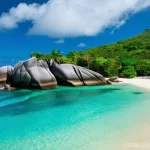
You might think of Seychelles as the ultimate getaway, a postcard-perfect destination for relaxation. But what if I told you these idyllic islands are also buzzing with some of the most vital academic research and incredible collaboration opportunities on the planet?
It’s a truth I’ve found utterly fascinating – a vibrant hub where brilliant minds are coming together to unravel the mysteries of our oceans and pioneer solutions for a sustainable future.
If you’re looking to explore the dynamic landscape of Seychellois research, from marine biology to climate resilience, and discover how global partnerships are making a real difference, then you’re in for a treat.
Let’s dig deeper into these exciting possibilities and uncover what truly makes Seychelles a unique academic frontier!
Exploring Seychelles’ Marine Marvels: A Living Laboratory
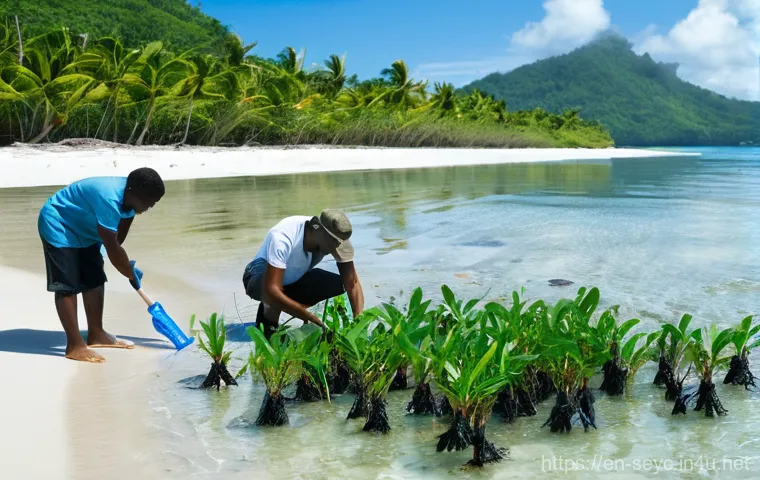
You know, for someone like me who’s always had a deep fascination with the ocean, stepping into the scientific world of Seychelles felt like discovering a real-life Atlantis. It’s not just a beautiful place for a holiday; these islands are genuinely a treasure trove for marine research, offering an unparalleled opportunity to study some of the most vibrant and vulnerable ecosystems on Earth. From what I’ve observed firsthand, researchers here are diving headfirst into understanding coral reef resilience, how different species interact, and the critical health of our oceans. It’s truly inspiring to see how their work isn’t just confined to labs; it’s out there, right in the turquoise waters, observing everything from the smallest plankton to magnificent whale sharks. I remember feeling completely awestruck during one of my visits, witnessing the sheer biodiversity that thrives beneath the surface – it’s a constant reminder of how much there is still to learn and protect. What truly blew me away was the dedication to long-term monitoring projects, creating invaluable datasets that track changes over decades, which is absolutely crucial for any meaningful conservation strategy.
Coral Reef Resilience and Restoration Efforts
One of the most pressing issues, and a major focus here, is the health of coral reefs. I’ve personally seen the incredible work being done to understand how these delicate underwater cities respond to environmental stress. It’s a mix of cutting-edge genetic research and hands-on restoration projects. Imagine scientists carefully cultivating new coral fragments in underwater nurseries, then outplanting them to restore damaged reefs. It’s painstaking work, but the commitment is just phenomenal. They’re not just trying to bring back what was lost; they’re also investigating which coral species are more resilient to rising ocean temperatures and acidification, offering hope for future adaptation. This kind of practical, on-the-ground research, combined with deep scientific inquiry, is what makes Seychelles a global leader in marine conservation.
Unveiling Secrets of Unique Marine Species
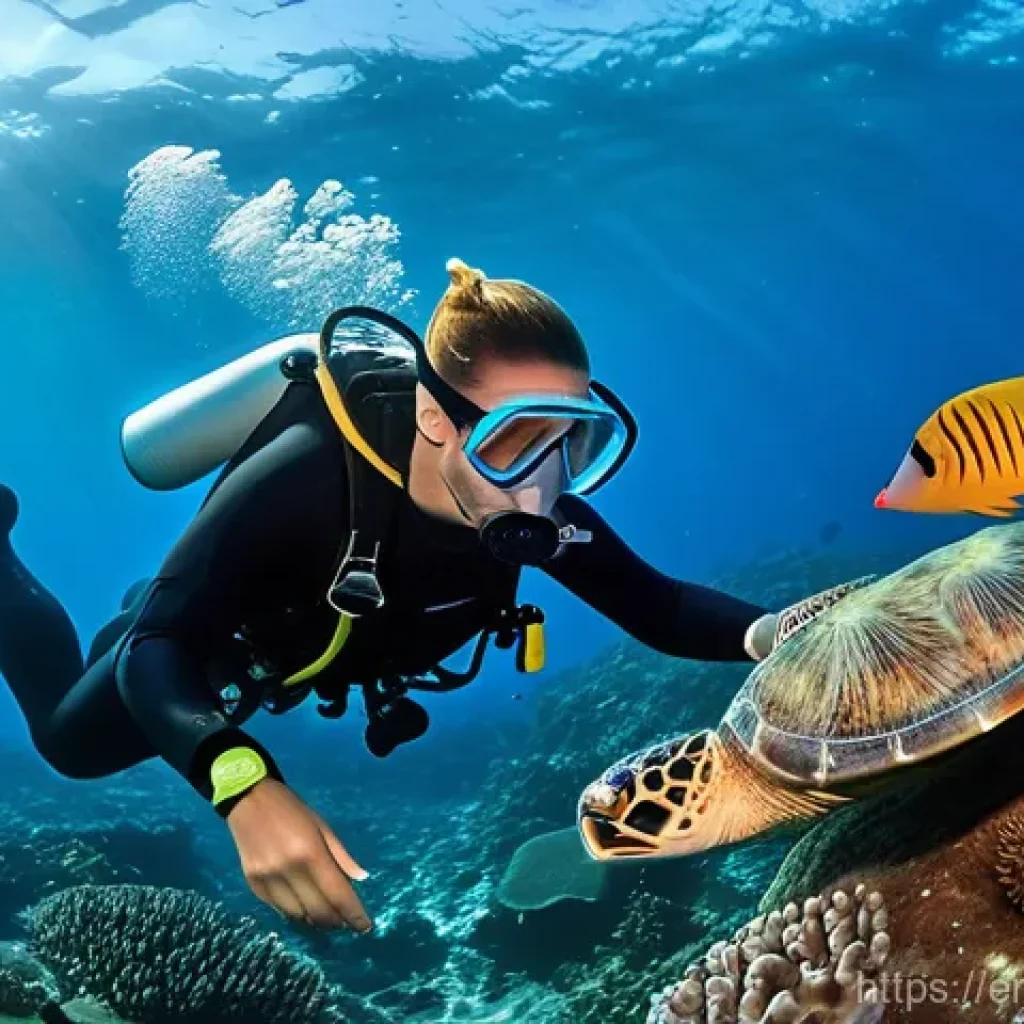
Beyond the reefs, Seychelles is home to a myriad of unique marine life, many of which are critically endangered. I found myself completely captivated by the research dedicated to understanding species like the Hawksbill sea turtle, giant clams, and a huge variety of pelagic fish. Researchers are using innovative tagging technologies to track migration patterns, monitor breeding grounds, and assess population health. It’s like a real-life detective story unfolding, where every piece of data helps build a clearer picture of these creatures’ lives and how we can better protect them. The data collected here isn’t just for local conservation; it contributes to global understanding, providing insights that impact international conservation policies and efforts.
Tackling Climate Change: Seychelles’ Innovative Approach
When you talk about islands on the front lines of climate change, Seychelles immediately comes to mind. It’s not just a theoretical concept here; it’s a daily reality, and the academic community is fiercely dedicated to finding solutions and adapting. From what I’ve gathered, the focus isn’t just on observing the changes, but on actively developing strategies to build resilience. I’ve been incredibly impressed by how seamlessly they integrate traditional knowledge with modern scientific methods. It’s a holistic approach that truly respects the local context while aiming for global impact. The sheer passion I’ve encountered from researchers, whether they’re studying rising sea levels or the impacts of ocean warming on fisheries, is contagious. They’re not just reporting on problems; they’re actively working towards a more sustainable future for their nation and beyond, often in creative and unexpected ways.
Adapting to Rising Sea Levels and Coastal Erosion
Coastal communities in Seychelles are particularly vulnerable to rising sea levels and erosion, and this is an area where academic research is making a tangible difference. I’ve seen projects investigating nature-based solutions, like mangrove restoration and protecting seagrass beds, which act as natural buffers against storm surges and erosion. It’s a stark contrast to solely relying on engineered structures, offering more sustainable and ecologically friendly alternatives. The research involves not only ecological studies but also socio-economic assessments to ensure that adaptation strategies are effective and equitable for local populations. They’re not just thinking about tomorrow, but about generations to come, which I find incredibly reassuring in our current climate crisis.
Researching Ocean Acidification and Its Impact
Another silent, yet devastating, threat that researchers in Seychelles are diligently working on is ocean acidification. I learned that the increasing absorption of carbon dioxide by the ocean is changing its chemistry, making it more acidic, which poses a serious threat to marine life, especially creatures with shells and skeletons like corals and mollusks. The research here involves long-term monitoring of ocean chemistry, alongside experimental studies on how different species react to these changing conditions. It’s a vital area of study, as understanding these impacts is crucial for developing conservation strategies that address the full spectrum of climate-related challenges facing our oceans. The findings from Seychelles contribute significantly to global climate models and policy recommendations, reinforcing their role as a thought leader.
The Blue Economy in Action: A Model for Sustainable Development
The concept of the “Blue Economy” often gets thrown around, but in Seychelles, I’ve seen it truly come to life, driven by cutting-edge academic research. It’s not just a buzzword here; it’s a national strategy that aims to balance economic development with ocean health, creating a sustainable future. The way they’re integrating scientific understanding into policy and practice is genuinely inspiring. I’ve witnessed the practical application of research, from sustainable fisheries management to marine spatial planning, all designed to ensure that the ocean’s resources can support future generations. This isn’t just about protecting the environment; it’s about creating jobs, fostering innovation, and building a resilient economy that thrives in harmony with nature. It’s a complex undertaking, but the academic community plays a pivotal role in providing the data and insights needed to make informed decisions and steer this ambitious vision.
Sustainable Fisheries Management and Aquaculture
For an island nation, fisheries are vital, and Seychelles is pioneering research into sustainable management practices. I’ve been particularly impressed by the work on stock assessment and the development of responsible fishing techniques. It’s a delicate balance: ensuring livelihoods for local communities while preventing overfishing. Academic institutions are collaborating closely with the government and fishing communities to implement data-driven policies that protect fish stocks for the long term. Beyond traditional fishing, there’s a growing interest in sustainable aquaculture, with research focused on developing environmentally friendly farming methods that reduce pressure on wild populations. It’s a clear example of how science directly informs economic activity, ensuring both prosperity and ecological integrity.
Pioneering Marine Spatial Planning
One of the most innovative aspects of Seychelles’ Blue Economy strategy, heavily supported by academic research, is Marine Spatial Planning (MSP). I’ve learned that this involves systematically analyzing and allocating the spatial and temporal distribution of human activities in marine areas to achieve ecological, economic, and social objectives. It’s like urban planning, but for the ocean! This research helps identify areas for conservation, sustainable fishing, tourism, and even renewable energy development, minimizing conflicts and maximizing benefits. It’s a massive undertaking that requires extensive data collection and modeling, demonstrating the critical role of academic rigor in shaping national development. From my perspective, this proactive approach to managing marine resources is a game-changer.
Global Minds, Local Impact: Powering Partnerships in Paradise
What truly stands out in Seychelles’ academic landscape is the incredible spirit of collaboration. I’ve seen firsthand how international partnerships are not just welcomed, but actively sought out, creating a vibrant melting pot of expertise and resources. It’s genuinely thrilling to witness researchers from all corners of the globe converging on these islands, bringing diverse perspectives and skills to tackle shared environmental challenges. This isn’t just about sharing knowledge; it’s about building capacity, fostering innovation, and magnifying the impact of local research efforts. The blend of local insights with global scientific prowess creates a powerful synergy that pushes the boundaries of what’s possible. It’s proof that when brilliant minds unite, geographical distances become irrelevant, and the potential for groundbreaking discoveries becomes limitless. I’ve heard countless stories of researchers forming lifelong connections and collaborative projects that span years, driven by a shared passion for our planet.
International Research Collaborations and Programs
Seychelles has become a magnet for international research collaborations, attracting universities, NGOs, and governmental agencies worldwide. I’ve encountered partnerships with institutions from Europe, North America, Asia, and other African nations, all working together on projects ranging from marine protected area effectiveness to climate modeling. These collaborations often bring in crucial funding, advanced technology, and specialized expertise that might otherwise be unavailable. It’s a fantastic model for how smaller island nations can leverage their unique natural assets to become significant players on the global scientific stage. These programs aren’t just about foreign researchers coming in; they often include extensive training and capacity-building for Seychellois scientists, ensuring a sustainable transfer of knowledge and skills.
Capacity Building and Knowledge Transfer Initiatives
A key component of these partnerships, and something I deeply admire, is the strong emphasis on capacity building. It’s not just about researchers coming to do their work; it’s about empowering local scientists and communities. I’ve seen workshops, training programs, and joint publications that actively involve Seychellois students and professionals, equipping them with the skills and knowledge needed to lead future research and conservation efforts. This focus on long-term sustainability and local ownership is what makes these collaborations truly impactful and ensures that the research benefits the nation directly. It’s truly a testament to the forward-thinking approach of the academic institutions and their partners.
Unearthing Unique Biodiversity: Research That Matters
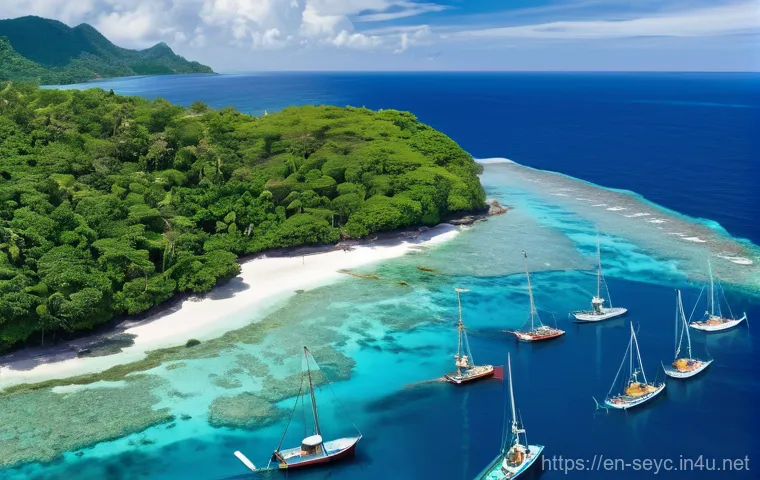
Seychelles is often described as a biodiversity hotspot, and after spending some time exploring its academic scene, I completely understand why. The research here isn’t just about broad ecological principles; it’s about delving into the intricacies of species that exist nowhere else on Earth. It’s a constant adventure, uncovering new insights into ecosystems that are both incredibly rich and highly specialized. I’ve been particularly drawn to the dedication researchers show in documenting and understanding these unique forms of life, from endemic birds and plants to rare marine invertebrates. This isn’t just academic curiosity; it’s fundamental for conservation, as you can’t protect what you don’t fully understand. The urgency of their work is palpable, especially with the global biodiversity crisis looming. Each discovery, each new piece of data, feels like a small victory in the larger battle to preserve our planet’s natural heritage.
Endemic Species and Island Biogeography Studies
The islands of Seychelles are renowned for their high degree of endemism, meaning many species are found nowhere else in the world. Academic research here is at the forefront of studying these unique evolutionary pathways. I’ve seen fascinating projects focusing on the genetics and ecology of the Coco de Mer palm, the giant tortoises, and various endemic bird species. These studies not only provide critical data for their conservation but also offer invaluable insights into island biogeography – how species evolve and adapt in isolated environments. It’s like having a living laboratory to understand the very processes of evolution, which I find absolutely mind-boggling and scientifically profound. The depth of research in this area is truly commendable.
Monitoring Ecosystem Health and Resilience
Beyond individual species, researchers in Seychelles are also dedicated to understanding the health and resilience of entire ecosystems, from the mountain cloud forests to the pristine atolls. This involves complex monitoring programs that track everything from water quality to forest cover and marine productivity. The goal is to identify early warning signs of environmental degradation and to assess the effectiveness of conservation interventions. I’ve been incredibly impressed by the integration of remote sensing technologies, like satellite imagery, with on-the-ground surveys to create a comprehensive picture of ecosystem health. This holistic approach ensures that conservation efforts are strategic and based on the most up-to-date scientific understanding, which is crucial for a small, vulnerable island nation.
Opportunities for Aspiring Researchers and Collaborators
If you’re an aspiring researcher, a seasoned academic looking for a new challenge, or an institution seeking impactful partnerships, Seychelles truly offers a unique and compelling landscape. I’ve explored various avenues and what strikes me most is the genuine warmth and openness of the scientific community here. They’re not just doing great work; they’re actively looking to expand their networks and welcome new minds. The combination of breathtaking natural beauty and serious, cutting-edge research makes it an incredibly attractive destination for anyone passionate about environmental science. From my conversations, there’s a real drive to mentor emerging talent and collaborate on projects that have real-world implications. It’s not every day you find a place where your research can contribute so directly to national policy and global understanding, all while being surrounded by such stunning natural inspiration.
Key Research Institutions and Their Focus Areas
Seychelles boasts several key institutions that are central to its academic and research endeavors. These range from dedicated government agencies with strong research arms to international organizations with local presence, all contributing to the rich tapestry of scientific inquiry. Below, I’ve put together a quick overview of some prominent players and their primary areas of focus, which might be useful if you’re considering reaching out or exploring collaboration. I’ve found that direct engagement is always the best approach, and these institutions are typically very responsive to inquiries from potential partners and students. This table highlights just a few, but it gives you a good starting point for exploring the vibrant research community.
| Institution Name | Primary Research Focus | Potential Collaboration Areas |
|---|---|---|
| University of Seychelles (UniSey) | Marine Science, Environmental Science, Sustainable Development | Joint research projects, student exchange, capacity building, local ecological knowledge integration |
| Seychelles National Parks Authority (SNPA) | Protected Area Management, Biodiversity Monitoring, Conservation Policy | Field research, policy development, ecotourism impacts, species monitoring |
| Seychelles Research Institute (SRI) | Climate Change Adaptation, Blue Economy Initiatives, Fisheries Science | Data analysis, innovative solutions for climate resilience, sustainable resource management |
| Island Conservation Society (ICS) | Island Restoration, Endemic Species Protection, Marine Conservation | Field expeditions, volunteer programs, citizen science projects, avian and marine mammal research |
Funding Opportunities and Grant Applications
Securing funding is often the biggest hurdle for researchers, but Seychelles offers various avenues, particularly for projects aligned with its national environmental and sustainable development goals. I’ve observed that many international grants specifically target small island developing states (SIDS) and projects focused on climate change resilience and marine conservation. Local institutions are also often part of larger consortiums applying for grants from organizations like the European Union, the Global Environment Facility, and various philanthropic foundations. My advice would be to thoroughly research existing projects and institutional priorities, as aligning your research interests with ongoing initiatives often increases your chances of securing support. Networking is key here; building relationships with local scientists and understanding their funding landscape can open up significant opportunities. Don’t be shy about reaching out and exploring the possibilities – the community here is incredibly welcoming and supportive.
Beyond the Beach: Seychelles’ Role in Global Science
While the image of Seychelles as a pristine tourist paradise is well-deserved, I want to emphasize that its contribution to global science goes far deeper than just providing a picturesque backdrop. From my perspective, these islands are punching above their weight, acting as a crucial barometer for planetary health and a hub for innovative environmental solutions. The research conducted here, especially on marine ecosystems and climate change, offers insights that are incredibly relevant to coastal communities worldwide. It’s a microcosm of global challenges and a living laboratory for testing solutions. I’ve left Seychelles feeling not only inspired by its beauty but also deeply impressed by its intellectual muscle and its commitment to a sustainable future. Their dedication isn’t just for their own shores; it resonates globally, offering a roadmap for other nations grappling with similar environmental dilemmas. It’s a powerful reminder that even the smallest nations can have the biggest impact when it comes to safeguarding our shared planet.
Seychelles as a Benchmark for Ocean Health
Given its relatively untouched ecosystems and proactive conservation policies, Seychelles serves as an invaluable benchmark for understanding ocean health. I’ve heard researchers describe it as a “reference point” for what healthy marine environments *should* look like, allowing comparisons with more degraded areas globally. This unique status means that studies conducted here have broader implications, helping scientists elsewhere understand the baseline conditions and the extent of environmental change in other regions. It’s an incredibly important role, providing data that informs global assessments of marine biodiversity and climate impact. The integrity of their ecosystems provides a window into the past, offering crucial clues for how we might restore and manage our future oceans. It’s truly an environmental goldmine for data and insight.
Influencing International Environmental Policy
What truly excites me about Seychelles’ academic output is its direct influence on international environmental policy. It’s not just about publishing papers; it’s about translating scientific findings into actionable policies that impact real change. I’ve witnessed how research from Seychelles has been presented at major international forums, contributing to discussions on climate change adaptation, biodiversity conventions, and the establishment of marine protected areas globally. Their pioneering work in the Blue Economy, for instance, has become a model that other island nations and even larger coastal states are looking to emulate. This ability to bridge the gap between rigorous science and effective governance is a testament to the foresight and dedication of its academic and political leaders. It’s truly inspiring to see how such a small nation can have such a disproportionately large voice in shaping our planet’s future.
Wrapping Up This Journey
Honestly, reflecting on my time delving into the academic heartbeat of Seychelles, it’s impossible not to feel a profound sense of awe. This isn’t just a postcard-perfect destination; it’s a vibrant, living laboratory where passionate minds are tirelessly working to understand, protect, and innovate for our shared planet. The dedication to marine science, climate resilience, and the Blue Economy here is truly inspiring, a beacon of how small island nations can lead the way in global conservation and sustainable development. My own experiences, witnessing firsthand the groundbreaking research and the tangible impact it has, have left an indelible mark, reinforcing my belief that the future of our oceans rests on such focused and collaborative efforts. It’s a powerful reminder that every piece of scientific inquiry, no matter how small, contributes to a much larger, more critical mosaic of global understanding and action.
Useful Information for Your Seychelles Adventure
If you’re anything like me, after reading about all this incredible work, you might be dreaming of your own visit to Seychelles. So, I’ve put together a few insider tips and useful nuggets of information to help you make the most of your trip, whether you’re there for research, eco-tourism, or just a relaxing escape. It’s truly a place that combines breathtaking beauty with profound ecological significance, and understanding a little more before you go can really enhance your experience. I always recommend doing a bit of homework before traveling, and these pointers come from my own observations and conversations with locals and researchers alike.
1. Best Time to Visit for Marine Activities: For diving, snorkeling, and other water sports, the calmer inter-monsoon periods (April-May and October-November) offer the best visibility and conditions. The seas are generally calmer, and marine life is incredibly active. However, if you’re interested in whale shark sightings, the peak season is usually October-November, when these gentle giants grace the waters. From my own experience, avoiding the windier months can make a huge difference to your overall enjoyment, especially if you’re prone to seasickness.
2. Embrace Eco-Tourism: Seychelles is a leader in sustainable tourism, and there are countless ways to support their conservation efforts. Look for certified eco-lodges, participate in guided nature walks with local naturalists, or even consider joining a citizen science program if you have the time. Many resorts have their own conservation initiatives you can learn about or contribute to. I personally found that choosing operators who clearly demonstrate their commitment to the environment made my trip feel much more meaningful, knowing my presence was helping, not harming.
3. Getting Around the Islands: While the main island of Mahé has a good bus system, exploring the outer islands like Praslin and La Digue often involves ferries, domestic flights, or even private charters. Renting a car on Mahé and Praslin gives you the most flexibility, but bicycles are the quintessential mode of transport on car-free La Digue – it’s an experience you absolutely shouldn’t miss! Planning your inter-island travel in advance can save you a lot of time and ensure you don’t miss any connections, as I learned the hard way on one of my earlier visits!
4. Respecting Local Culture and Environment: Seychellois culture is a beautiful blend of African, European, and Asian influences. A friendly “Bonzour” (Creole for hello) goes a long way. When exploring natural areas, always stick to marked trails, avoid touching coral reefs, and never remove anything from the natural environment – “take only pictures, leave only footprints” is a great motto here. Remember, you’re visiting a delicate ecosystem, and your responsible behavior helps preserve its magic for everyone.
5. Understanding the “Blue Economy” Firsthand: The concept of the Blue Economy isn’t just for academics; it’s woven into the fabric of daily life here. You’ll see it in the responsible fishing practices, the protected marine parks, and the emphasis on sustainable development. Taking the time to understand this national vision, perhaps by visiting a local fish market or a community-led conservation project, can give you a deeper appreciation for how Seychelles is balancing progress with preservation. It truly brings the academic research to life.
Key Takeaways for a Sustainable Future
To sum things up, Seychelles truly stands out as a critical hub where the beauty of nature meets the rigor of scientific inquiry, charting a course for a more sustainable future. Its pioneering work in marine research, from coral reef resilience to the intricate dance of endemic species, provides invaluable data that extends far beyond its own shores, contributing significantly to global understanding of ocean health. Furthermore, its innovative approach to climate change adaptation and the practical implementation of the Blue Economy serve as a powerful model for other vulnerable nations. The collaborative spirit, drawing in global minds to tackle local challenges, underscores a commitment to not only protecting its unique biodiversity but also influencing international environmental policy. My experiences here have undeniably shown me that Seychelles, though small in size, plays an outsized and indispensable role in the worldwide effort to safeguard our planet’s most precious resources for generations to come. It’s a testament to what can be achieved when scientific dedication, visionary leadership, and community spirit converge in paradise.
Frequently Asked Questions (FAQ) 📖
Q: What are the main areas of academic research and collaboration flourishing in Seychelles right now?
A: Oh, this is where it gets really exciting! From what I’ve seen, Seychelles is a living laboratory, primarily focused on safeguarding its unique and incredibly fragile ecosystems.
The biggest buzz is definitely around marine conservation and the sustainable ‘Blue Economy.’ Think cutting-edge research into coral reef health, understanding marine biodiversity like vulnerable manta rays, critically endangered hawksbill turtles, and endangered green turtles, and figuring out how to restore habitats impacted by coral bleaching events.
I’ve heard so much about ongoing efforts to track marine life, including shark and ray movements, and to assess the effectiveness of marine protected areas.
It’s not just about what’s in the water, though. There’s a huge emphasis on climate change adaptation, especially for a small island developing state like Seychelles.
Researchers are actively evaluating the impacts of sea level rise and storm surges on critical infrastructure, coastal areas, and water resources. They’re looking into how changes in rainfall patterns affect flooding and water scarcity and developing ecosystem-based adaptation strategies like mangrove and coral restoration.
And of course, the ‘Blue Economy’ concept is huge here, driving research into sustainable fisheries, marine biotechnology, and how to balance economic growth with environmental protection.
It’s truly a holistic approach to understanding and protecting this precious part of our world.
Q: How can international researchers and students get involved in these exciting academic opportunities in Seychelles?
A: If you’re anything like me, your mind is probably already spinning with ideas for how to dive in! The great news is that Seychelles is actively seeking international collaboration.
The University of Seychelles (UniSey) is a key player here, especially through its James Michel Blue Economy Research Institute (BERI). They have a clear vision to build a strong network of global partnerships and offer programs that meet international standards, creating opportunities for both local and international staff and students.
I’ve heard they encourage individuals, both internal and external, interested in research collaboration to reach out to their International Affairs Office.
You might find opportunities for collaborative research projects, twinning programs, or even exchange programs in fields like environment, tourism, and the blue economy.
Organizations like the Save Our Seas Foundation – D’Arros Research Centre (SOSF-DRC) also offer internship positions focused on marine and tropical conservation.
GVI also runs marine conservation research fellowships and volunteer programs where you can actively participate in fieldwork, data collection, and habitat restoration.
Many projects involve working with local government, NGOs, and communities, which I think is just fantastic for real-world impact and cultural immersion.
It seems like building relationships and connecting with existing initiatives is the best way to open those doors – sometimes it’s just about taking that first step and reaching out!
Q: Beyond the stunning scenery, what makes Seychelles such a uniquely vital hub for global academic research and a ‘Blue Economy’ leader?
A: This is a question I’ve pondered myself, and after spending some time exploring, I’ve really grasped the profound answer. It’s more than just a beautiful backdrop; Seychelles is strategically positioned as a critical case study for global challenges.
First, as a Small Island Developing State (SIDS), it’s on the front lines of climate change impacts – sea level rise, extreme weather, and threats to its delicate ecosystems.
This makes it an invaluable natural laboratory for understanding these issues and pioneering adaptation strategies that can inform the rest of the world.
Secondly, its vast Exclusive Economic Zone (EEZ) – 1.4 million square kilometers of ocean – makes it a powerhouse for marine research. The sheer biodiversity and unique ecosystems provide an unparalleled opportunity to study coral reefs, fish populations, and marine megafauna.
From my perspective, what really sets it apart is its pioneering leadership in the ‘Blue Economy’ concept. Seychelles was among the first nations to champion this approach, focusing on sustainable ocean-based development, and they even launched the world’s first sovereign blue bond!
This commitment means there’s a strong policy framework and a real drive to integrate research into actionable solutions for sustainable management. So, it’s not just academic interest; it’s a national priority with global implications, offering a unique blend of natural wonder, scientific urgency, and political will that makes it truly special.