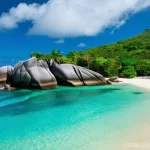
Stepping onto the shores of the Seychelles, you instantly feel it – that gentle, tropical embrace that defines this Indian Ocean paradise. But beyond the postcard-perfect images of swaying palms and turquoise waters, there’s a fascinating dance of climate at play, one that truly shapes every experience you’ll have here.
I’ve personally felt the shift from the drier, breezier southeast trade winds, perfect for sailing, to the calmer, warmer northwest monsoon, which can bring brief, refreshing showers.
It’s not just about sunshine; it’s about understanding these subtle seasonal nuances that dictate everything from the best time for diving to how the local flora and fauna thrive.
And frankly, with the growing global conversation around climate change, the very essence of these islands’ delicate weather patterns feels more precious and perhaps, more vulnerable than ever.
You start to ponder how these predictable yet fragile cycles might evolve, impacting not just tourism, but the very way of life for Seychellois. It’s a living, breathing climate system, constantly interacting with the vast ocean.
We’re about to uncover the full picture.
The Gentle Breath of the Southeast Trade Winds: A Dry Season Symphony
It’s during the months of May to October that you truly feel the Seychelles’ most invigorating embrace: the southeast trade winds. I remember my first visit in July, stepping off the plane and being immediately enveloped by a refreshing, consistent breeze that swept across the islands.
This isn’t just a gentle waft; it’s a steady, cool force that makes even the sunniest days incredibly comfortable, transforming the air from humid stillness into a vibrant, airy flow.
This period, locally known as the “cooler” or “drier” season, is characterized by lower humidity and minimal rainfall, truly making it a paradise for those who love outdoor adventures.
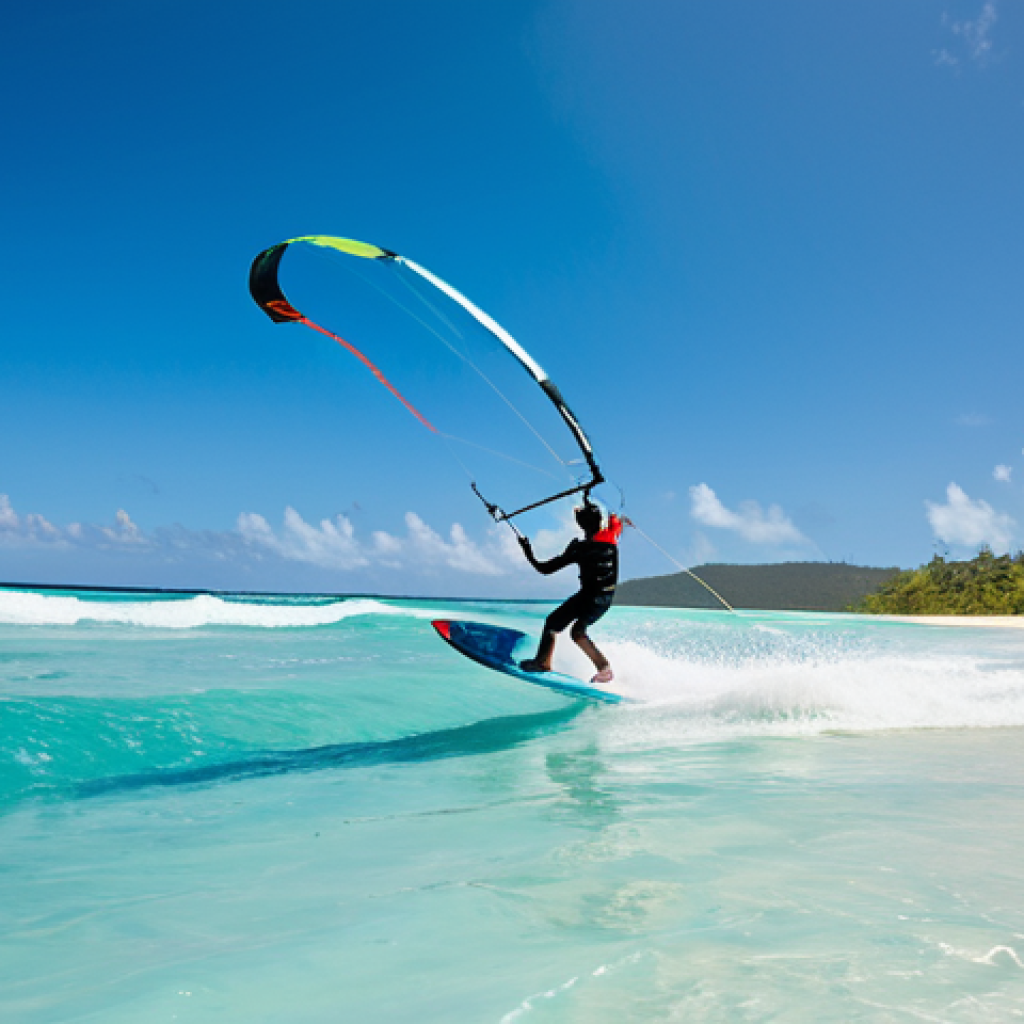
The ocean, too, responds to this dominant wind, creating choppier waters on the southeast coasts and offering fantastic conditions for sailing, windsurfing, and kitesurfing.
The visibility for snorkeling and diving can sometimes be slightly reduced due to the increased water movement stirring up sediment, but the overall experience of basking in the sun without feeling overwhelmed by heat is simply unparalleled.
You can literally feel the energy of the wind propelling the palm fronds, rustling through the takamaka trees, and creating that iconic soundtrack of island life that you dream about long after you’ve left.
It’s a truly dynamic period that showcases a different, equally enchanting side of the Seychelles.
1. Embracing the Breezy Days and Cooler Nights
As someone who’s spent a fair bit of time exploring these islands, I can confidently say that the southeast trades bring a quality of air that is just sublime.
Picture yourself enjoying a sunset stroll along Beau Vallon beach; the air isn’t heavy or sticky. Instead, it feels light, crisp, and almost cleansing.
This period sees average temperatures hovering around a very pleasant 26-28°C (79-82°F), with nighttime lows dipping just enough to make sleeping without air conditioning a comfortable reality for many.
I’ve personally found that mornings during this season are incredibly inviting for hikes through the lush national parks, like Morne Seychellois, as the cooler air makes the climb much more enjoyable.
The consistent wind also acts as a natural mosquito repellent, which, trust me, is a huge bonus when you’re trying to enjoy an evening on your veranda.
It’s a period when the islands feel alive with activity, yet retain that sense of calm and effortless beauty.
2. Watersports Wonderland: Surfing, Sailing, and Beyond
If you’re a watersports enthusiast, the southeast trade winds are your cue to visit. The consistent breezes create ideal conditions for a range of activities that rely on wind power.
I’ve seen some incredible kitesurfing displays off the eastern coasts of Mahé, where the waves become more pronounced. Sailing catamarans glide effortlessly across the deeper blue, their sails full, making island hopping an absolute dream.
The waves, while generally not massive, can be perfect for beginner to intermediate surfers, particularly on certain exposed beaches. For me, simply being out on the water, feeling the spray and the steady push of the wind, is an exhilarating experience that connects you deeply with the raw power of the Indian Ocean.
It’s a completely different vibe compared to the calm, glassy waters of the monsoon season, offering a more active and adventurous side to the Seychelles.
Navigating the Northwest Monsoon: A Season of Warmth and Lushness
Transitioning from the drier, breezier months, the Seychelles then eases into the northwest monsoon season, typically from November to April. This period often gets a bad rap because it’s associated with higher humidity and more rainfall, but honestly, calling it the “rainy season” doesn’t quite do it justice.
My experience has shown me that the rain here is usually in the form of brief, intense tropical showers that quickly give way to brilliant sunshine. It’s rarely an all-day deluge, and the warmth that accompanies these rains brings the islands to life in a spectacular way, painting the landscapes in even more vivid shades of green.
The winds are much lighter and more variable during this time, often leading to incredibly calm, almost glassy seas, especially on the western coasts of the islands.
This shift creates a completely different atmosphere: a sense of serene tranquility permeates the air, and the warmth feels like a soft, comforting blanket rather than an oppressive heat.
It’s a season that invites you to slow down, to truly immerse yourself in the lushness of the surroundings, and to appreciate the profound connection between the islands and the life-giving rain.
1. Unveiling the Underwater Kaleidoscope: Prime Diving Conditions
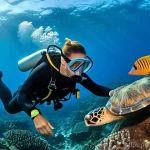
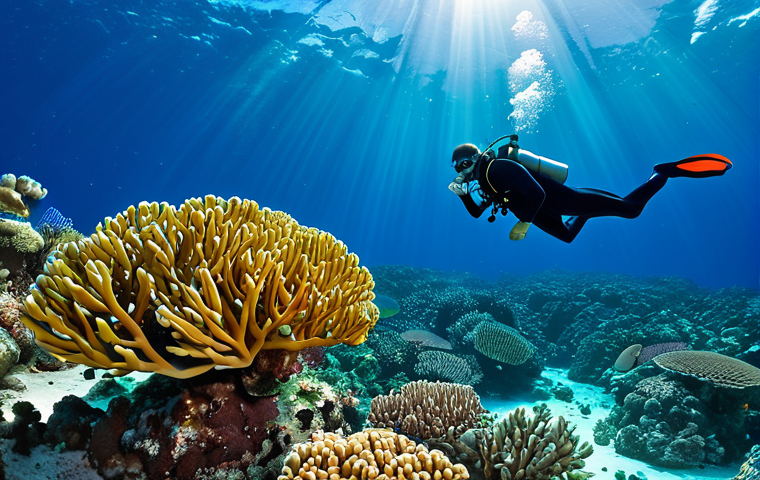
For diving and snorkeling enthusiasts, the northwest monsoon season is, without a doubt, the sweet spot. The reduced winds mean less agitation of the ocean floor, resulting in phenomenal underwater visibility that can stretch up to 30 meters or even more.
I’ve had some of my most breathtaking diving experiences during this period, descending into a world where every coral reef seems to explode with color and marine life.
You’ll encounter an incredible array of fish, rays, reef sharks, and if you’re lucky, even whale sharks, which are more commonly sighted between October and January.
The water temperatures are also at their warmest, often reaching a balmy 29-30°C (84-86°F), making long dives incredibly comfortable without the need for thick wetsuits.
It’s a truly immersive experience that allows you to feel completely at one with the vibrant marine ecosystem.
2. The Verdant Embrace: Lush Landscapes and Refreshing Showers
While some might dread the rain, I’ve come to appreciate how it transforms the Seychelles into an even more astonishingly verdant paradise. The short, sharp showers act like a refreshing cleanse, washing the dust from the leaves and invigorating the entire ecosystem.
This is when the tropical flora truly thrives, with vibrant blossoms adorning every path and the air carrying the sweet scent of frangipani and jasmine.
I’ve found that even if a shower rolls in, it’s often followed by a rainbow arching across the sky, a truly magical sight. These intermittent downpours also contribute to the unique microclimates of the islands, feeding the streams and waterfalls that cascade down the granite peaks.
It’s a time when the islands feel incredibly alive, brimming with a raw, untamed beauty that’s just as captivating as the sun-drenched beaches.
Ocean’s Embrace: How Sea Temperatures Define Your Experience
The Indian Ocean isn’t just a backdrop to the Seychelles; it’s an active participant in shaping its climate and, consequently, every single aspect of your visit.
The consistent warmth of the surrounding waters plays a huge role in regulating the islands’ temperatures, preventing extreme cold snaps and contributing to that perpetually tropical feel.
But beyond just temperature, the subtle shifts in ocean currents and the interplay between the vast body of water and the atmosphere create conditions that directly impact everything from marine biodiversity to coastal erosion.
I’ve noticed how the ocean’s temperament shifts with the seasons – from the gentle lapping against the shore during the calmer months to the more assertive waves that roll in during the trade winds.
This constant interaction means that understanding the ocean’s rhythm is key to fully appreciating the Seychelles.
1. A Balmy Bath: Perfect Swimming and Snorkeling Depths
One of the most remarkable things about the Seychelles, in my personal view, is the consistently warm ocean water. It rarely drops below 26°C (79°F), even during the “cooler” trade wind season, and often hovers around 29-30°C (84-86°F) in the hotter months.
This isn’t just comfortable; it’s like stepping into a giant, perfectly heated swimming pool. I remember my first time wading into the turquoise waters off Anse Lazio – no sharp gasp from cold shock, just an immediate, blissful warmth that invited me to stay for hours.
This consistent warmth is incredibly inviting for swimming, snorkeling, and just lounging in the shallows. It also supports the incredibly diverse coral reefs and the vibrant marine life that call these waters home.
You can spend hours exploring without feeling the chill, which truly enhances the overall beach and water-based experience.
2. The Dynamic Currents and Their Unseen Influence
While largely imperceptible to the casual visitor, the ocean currents around the Seychelles play a significant role in its climate and ecology. These currents, driven by global wind patterns and thermal differences, influence everything from nutrient distribution for marine life to the potential for coastal erosion on certain shores.
During the northwest monsoon, for instance, calmer currents contribute to the incredible underwater visibility perfect for diving. Conversely, during the southeast trades, stronger currents can stir up sediments and sometimes bring in seaweed to certain beaches, particularly on the windward sides.
I’ve seen how local fishermen intuitively understand these currents, knowing where to find the best catches based on the flow of the water. It’s a reminder that the beauty you see on the surface is underpinned by a complex and dynamic system beneath.
The Delicate Balance: Climate Change’s Whispers on Paradise
It’s impossible to talk about the Seychelles’ climate without acknowledging the looming shadow of climate change. Having spent considerable time here, I’ve personally heard the concerns echoed by locals – the slight shifts in traditional weather patterns, the increasing intensity of certain rainfalls, and the very visible threat of rising sea levels.
These islands, with their low-lying coral atolls and vulnerable coastal communities, are on the frontline of global climate impacts. It’s a sobering thought that the very beauty that draws us here could be threatened by a changing planet.
The delicate balance that has shaped these ecosystems for millennia is now under unprecedented stress, and frankly, it makes you appreciate every moment spent here even more, knowing the preciousness of what’s at stake.
1. Rising Tides and Retreating Shores: The Visible Impact
The most tangible and heartbreaking effect of climate change in the Seychelles is the visible evidence of sea-level rise and coastal erosion. I’ve walked along beaches that have noticeably narrowed over the years, and seen retaining walls built to protect coastal roads and homes from the encroaching ocean.
For the low-lying coral islands like Aldabra and Alphonse, the threat is existential. It’s not just about losing beautiful beaches; it’s about the displacement of communities, the salinization of freshwater sources, and the destruction of vital habitats.
I’ve heard stories from older Seychellois about beaches that used to be much wider, and it really hits home how profound these changes are for a nation so intimately tied to the sea.
2. Shifting Seasons and Ecological Stress
Beyond the visible erosion, there are more subtle, yet equally concerning, shifts in the traditional climate patterns. While the general monsoon and trade wind seasons still hold, there’s anecdotal evidence from residents about more erratic rainfall, hotter peak temperatures, and sometimes extended dry spells.
These shifts place immense stress on the islands’ unique biodiversity. The coral reefs, for example, are highly sensitive to rising ocean temperatures, leading to coral bleaching events that threaten the very foundation of the marine ecosystem.
The native flora and fauna, adapted to specific seasonal rhythms, also face challenges. It’s a complex web, and disrupting one part of the climate system sends ripples throughout the entire natural world of the Seychelles, a testament to how interconnected everything truly is.
Unlocking the Best Seasons for Your Seychelles Adventure
When planning a trip to the Seychelles, everyone asks, “When’s the best time to go?” And honestly, having experienced all seasons, I can tell you there isn’t one single “best” answer.
It truly depends on what *you* want to do and what kind of experience you’re seeking. Each season offers a distinct charm and caters to different interests, from the sun-worshipper who craves consistent breeze to the avid diver chasing unparalleled underwater visibility.
My personal take is that the Seychelles is a year-round destination, but knowing the nuances of each period will help you tailor your trip for maximum enjoyment.
It’s all about aligning your expectations and activities with the prevailing climatic conditions, embracing whatever weather pattern graces your visit.
1. Tailoring Your Trip to the Trade Winds (May – October)
If your ideal vacation involves plenty of sunshine, refreshing breezes, and active water sports like sailing and windsurfing, then the southeast trade wind season from May to October is likely your perfect match.
1. Ideal for: Sailors, kitesurfers, windsurfers, those sensitive to humidity, hikers (cooler temperatures). 2.
What to expect: Consistent, strong winds; drier conditions; less humidity; choppier seas on southeast coasts; average temperatures around 26-28°C. 3. My tip: Book accommodations on the calmer, northwest-facing beaches if you prefer tranquil swimming during this time.
Remember, the winds can pick up, so light layers are always a good idea for evenings.
2. Embracing the Calm and Warmth (November – April)
For those who prioritize calm waters, exceptional diving and snorkeling, and lush, vibrant landscapes, the northwest monsoon period from November to April offers an equally compelling experience.
1. Ideal for: Divers, snorkelers, deep-sea fishermen, those who enjoy tropical warmth and lush scenery. 2.
What to expect: Lighter, variable winds; higher humidity; brief, intense tropical showers; very calm seas, especially on western coasts; warmest temperatures around 29-30°C.
3. My tip: Don’t let the “rainy season” label deter you; showers are often short-lived. Pack light, breathable clothing, and embrace the vibrant green transformation of the islands.
This is also peak whale shark spotting season! Here’s a quick comparison of what each season generally offers:
| Characteristic | Southeast Trade Winds (May – October) | Northwest Monsoon (November – April) |
|---|---|---|
| Prevailing Wind | Strong, consistent Southeast | Light, variable Northwest |
| Humidity | Lower | Higher |
| Rainfall | Minimal, drier | Brief, intense showers (more frequent) |
| Ocean Conditions | Choppier (SE coasts), good for sailing/surfing | Calmer, excellent visibility for diving/snorkeling |
| Average Temperature | 26-28°C (79-82°F) | 29-30°C (84-86°F) |
| Recommended Activities | Sailing, Windsurfing, Kitesurfing, Hiking | Diving, Snorkeling, Deep-sea Fishing, Exploring Lush Interiors |
Beyond the Forecast: Living with Seychelles’ Microclimates
One fascinating aspect of the Seychelles’ climate that often goes unnoticed until you’re actually there is the presence of distinct microclimates. Despite the islands being relatively small, their dramatic granite peaks and varying exposure to the prevailing winds create pockets of unique weather conditions.
I’ve personally driven from a sun-drenched beach on one side of Mahé to a misty, rain-soaked mountain pass within minutes. It’s a testament to the diverse topography of these islands and adds another layer of intrigue to their already captivating climate story.
Understanding these subtle shifts means you’re never truly stuck with “bad” weather; you can often chase the sunshine or find a sheltered spot.
1. Mountain Mists and Coastal Sunshine: A Tale of Two Altitudes
The mountainous interiors of islands like Mahé and Praslin often experience different weather patterns than their coastal fringes. As the prevailing winds hit the high peaks, the air is forced upwards, cools, and condenses, leading to more frequent cloud cover and localized rainfall, even during the “dry” season.
I’ve hiked through the Morne Seychellois National Park and found myself enveloped in a refreshing mist, while the beaches below basked in brilliant sunshine.
This phenomenon is vital for the islands’ unique cloud forests and the endemic species that thrive in these cooler, wetter conditions. It’s a vivid reminder that the Seychelles isn’t just about beaches; there’s a dynamic, living interior equally shaped by its climate.
2. The Shielded Sanctuaries: Finding Calm in Any Wind
Because of the directional nature of the trade winds and monsoons, certain beaches and bays offer more sheltered conditions depending on the season. During the strong southeast trade winds, for example, beaches on the western side of Mahé, like Beau Vallon, remain relatively calm and protected.
Conversely, when the northwest monsoon brings its lighter winds, the eastern beaches become more tranquil. I’ve often advised friends to choose their accommodation strategically based on their travel dates and desired beach experience.
This ability to find a “sheltered sanctuary” from the wind, no matter the season, is a true blessing and means that a perfect swimming spot is usually just a short drive away.
It adds a practical, enjoyable dimension to navigating the island’s weather.
Closing Thoughts
As we’ve journeyed through the Seychelles’ unique climate, it becomes clear that there’s no single “bad” time to visit this paradise. Each season unveils a different facet of its beauty, from the exhilarating trade winds that invite adventure to the tranquil, verdant embrace of the monsoon.
My hope is that by understanding these rhythms, you can tailor your Seychelles experience to perfectly match your dreams, whether you’re chasing the perfect wave, exploring vibrant coral gardens, or simply soaking in the islands’ serene warmth.
It’s a destination that truly lives up to its idyllic reputation, offering a profound connection to nature’s magnificent artistry, no matter when you arrive.
Useful Information to Know
1. Currency: The local currency is the Seychellois Rupee (SCR), though Euros and US Dollars are widely accepted at larger establishments, hotels, and for tour payments. Most places also accept major credit cards.
2. Languages: Creole, English, and French are the official languages, meaning communication is generally easy for visitors from many parts of the world.
3. Visa Requirements: Seychelles offers a visa-free policy for all nationalities. Upon arrival, you typically receive a visitor’s permit valid for up to 30 days, provided you have a valid passport, return ticket, and proof of accommodation.
4. Electricity: The standard voltage is 240V with a frequency of 50Hz, using the Type G plug (the same as the UK). Remember to pack a universal adapter if your devices use a different plug type.
5. Local Etiquette: Seychellois people are known for their warm and friendly nature. It’s respectful to dress modestly when visiting towns or religious sites, and always ask permission before taking photos of individuals.
Key Takeaways
The Seychelles is a year-round destination, each period offering a unique charm shaped by its distinct climatic seasons. From May to October, the steady southeast trade winds bring cooler, drier weather perfect for active water sports like sailing and windsurfing.
Conversely, November to April sees the northwest monsoon, characterized by warmer temperatures, lighter winds, and brief tropical showers, making it prime time for exceptional diving and exploring lush, vibrant landscapes.
Understanding the influence of consistently warm ocean temperatures, the presence of localized microclimates, and being mindful of climate change’s subtle impacts will empower you to perfectly tailor your adventure to this truly special island nation.
Frequently Asked Questions (FAQ) 📖
Q: Okay, so you mentioned these two distinct wind patterns – the southeast trade winds and the northwest monsoon. How do these really affect my trip planning, like, what’s the best time to visit for different activities?
A: Oh, this is crucial! I’ve personally found that truly understanding these patterns makes all the difference. If you’re anything like me and you absolutely love being out on the water, whether it’s sailing, windsurfing, or even just enjoying a brisk beach walk, the southeast trade winds (roughly May to September) are your sweet spot.
That’s when it’s generally drier and those winds really kick in, making the conditions just perfect for slicing through the waves. The air feels fresher, too.
But then, if you’re more into calmer waters, perhaps for an incredible diving or snorkeling experience where visibility is paramount, or if you prefer just languidly floating in that unbelievably warm sea, the northwest monsoon (around November to March) is fantastic.
You might get those brief, refreshing downpours – honestly, they’re like a warm shower and often clear up just as quickly – but the seas are usually much calmer.
It’s truly about what kind of Seychelles experience you’re chasing. I’ve been there during both, and each offers a unique kind of magic.
Q: You brought up climate change and how vulnerable the islands feel.
A: s a visitor, should I be concerned about its impact, and how does it affect the Seychellois people themselves? A2: That’s a question that honestly weighs heavily on my mind, especially after having seen the islands firsthand.
It’s not just a talking point; you can feel the underlying concern. For us as visitors, the most immediate impact might be subtle shifts in those predictable weather patterns – perhaps a slightly longer dry spell, or more intense, albeit short, rains.
But for the Seychellois, it’s far more profound. Their entire way of life, from fishing to agriculture and even their freshwater supply, is intrinsically linked to these cycles.
I’ve chatted with locals who shared their worries about rising sea levels impacting coastal communities or the delicate coral reefs, which are vital for both their ecosystem and tourism.
It’s a very real, existential challenge for them, shaping not just their future but their present resilience. It really makes you appreciate the fragility of paradise, doesn’t it?
Q: It’s fascinating how the climate dictates things like diving. But how do these unique wind and rain patterns actually influence the vibrant local flora and fauna, the very lifeblood of the islands?
A: This is where the magic really comes alive! I was utterly fascinated to learn how deeply intertwined the climate is with the Seychellois ecosystem. Take the famous coco de mer, for example – its growth cycle and germination are incredibly sensitive to the specific humidity and rainfall patterns.
You see it in action; during the wetter northwest monsoon, the islands truly explode with lush greenery, fruits ripen, and the air is thick with the buzz of insects and birds, as if everything is just soaking up the nourishment.
Then, as the drier trade winds arrive, certain plants might go into a less active phase, and you might notice different bird migrations or marine life movements.
For instance, the calmer waters of the monsoon often mean better visibility for the stunning coral reefs, which are nurseries for so much marine life.
It’s a delicate, exquisite balance – every shift in wind or rain sends ripples through the entire food chain, a testament to how perfectly adapted these unique species are to their specific tropical dance.
📚 References
Wikipedia Encyclopedia
구글 검색 결과
구글 검색 결과
구글 검색 결과
구글 검색 결과
구글 검색 결과