Traveling to the Seychelles means immersing yourself in stunning beaches and vibrant culture, but understanding the local currency is just as important for a smooth trip.
The Seychellois Rupee (SCR) is the official currency, and knowing how to exchange money efficiently can save you both time and hassle. With fluctuating exchange rates and varying fees at different exchange points, being well-prepared can make your vacation budget stretch further.
Whether you’re planning to use cash, credit cards, or digital payments, having a clear grasp of the best options will help you avoid surprises. Let’s dive into the details to ensure your money goes as far as your adventure.
Here’s what you need to know to handle Seychelles currency like a pro!
Understanding Your Currency Options in Seychelles
Cash: Why It Still Matters
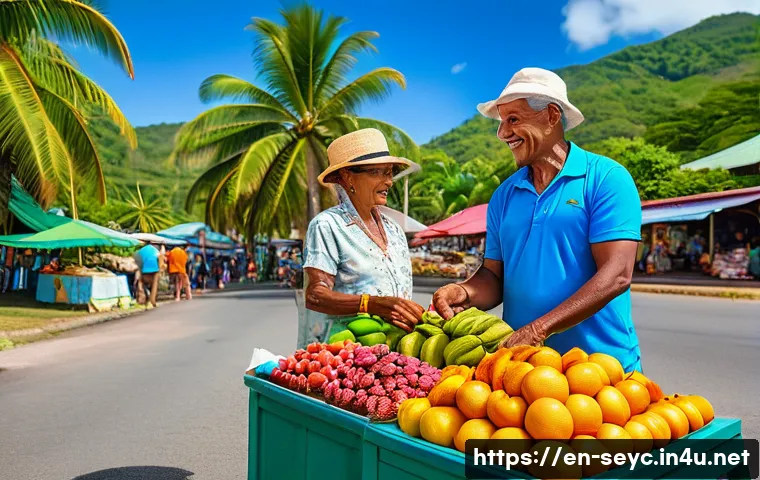
Many travelers find themselves relying heavily on cash when visiting Seychelles, and for good reason. While the islands are developing in terms of digital payment acceptance, many smaller businesses, local markets, and even some mid-range restaurants prefer cash transactions.
From my experience, having a stash of Seychellois Rupees on hand not only helps with smoother purchases but often enables you to negotiate better deals.
Plus, cash is king when you’re exploring the more remote islands or beaches where card readers simply don’t work. Just remember to keep your cash safe and only carry what you need each day to avoid any mishaps.
Credit and Debit Cards: What to Expect
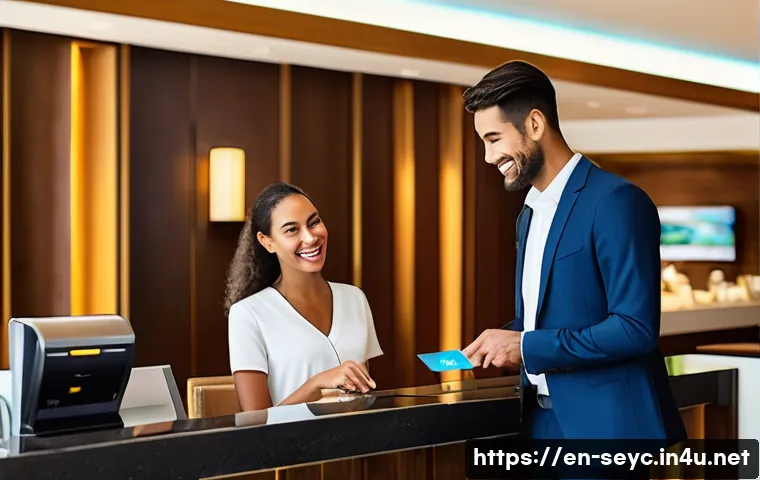
Using cards in Seychelles is becoming increasingly common, especially in hotels, resorts, and larger shops. Visa and Mastercard are widely accepted, but American Express and other cards might not be as common.
One thing I noticed is that some places add a small surcharge for card payments, so it’s wise to confirm before you pay. Also, ensure your bank is aware of your travel plans to avoid unexpected declines.
A handy tip: always have a backup card and some cash just in case the terminal goes down or you encounter network issues.
Digital Wallets and Contactless Payments
Digital wallets like Apple Pay or Google Pay are slowly gaining traction, mostly in tourist-heavy areas. However, they’re far from universal here. If you’re used to tapping your phone to pay, it’s best to check in advance whether the places you plan to visit accept these methods.
Mobile data or Wi-Fi can be spotty in some parts of Seychelles, so relying solely on digital payments might cause unnecessary stress. From what I’ve seen, combining digital payments with cash and cards gives you the best flexibility.
Where to Exchange Money for the Best Rates
Airport Exchange Counters: Convenience vs. Rates
Exchanging your money right when you land is tempting because it’s convenient, but airport rates are often less favorable. The fees and exchange rates here tend to be higher compared to banks or authorized exchange bureaus in the city.
From my travels, I always recommend exchanging just enough at the airport to cover immediate expenses like transport or a quick snack, then finding a better rate elsewhere.
Authorized Banks and Exchange Bureaus
Banks in Seychelles offer competitive exchange rates and are generally trustworthy. They typically charge lower fees than airport counters, and you can often negotiate better rates if you’re exchanging a larger sum.
Exchange bureaus can also be a good option but make sure they’re licensed to avoid scams. I found it helpful to check rates online or ask locals about reputable places before committing.
Using ATMs for Local Currency Withdrawals
ATMs are fairly common in urban centers like Victoria but can be scarce outside these areas. Withdrawing cash from ATMs can give you good exchange rates, but watch out for foreign transaction fees imposed by your home bank or the ATM provider.
Before traveling, ask your bank about fees and limits to avoid surprises. Also, withdrawing larger amounts at once can minimize multiple fee hits, but be cautious with carrying too much cash.
Tips to Avoid Hidden Costs and Fees
Understanding Exchange Rate Fluctuations
The Seychellois Rupee can fluctuate due to various economic factors, which affects how much value you get when exchanging money. I noticed that rates can change daily, so it pays to monitor them before and during your trip.
Using currency conversion apps or websites can help you decide the best time to exchange or withdraw funds. Avoid rushing into exchanges without checking rates; a small difference can add up, especially on bigger transactions.
Watch Out for Transaction Fees
Many travelers overlook the hidden fees attached to currency exchange or card payments. Banks and exchange bureaus may charge fixed or percentage-based fees, while credit card companies often add foreign transaction fees.
I learned the hard way that even small fees can eat into your travel budget if you’re not careful. To minimize this, opt for cards with no foreign fees, and always ask upfront about any charges before exchanging money.
Keep Receipts and Track Your Spending
Keeping track of your exchanges and purchases helps you stay within budget and provides proof if you encounter any discrepancies. I make it a habit to save every receipt, whether it’s from an exchange counter or a small shop.
This practice also makes it easier to convert your remaining money back before leaving Seychelles without losing track of how much you’ve spent or exchanged.
Making the Most of Your Budget on the Islands
Local Pricing Culture and Bargaining
While Seychelles is known for luxury tourism, many local vendors and markets operate on a more flexible pricing system. I found that politely bargaining, especially in markets or for services like boat tours, can often yield better prices.
This is not about aggressive haggling but rather a friendly negotiation that respects the vendor’s position. Being open, respectful, and informed about average prices makes a huge difference.
Using Multi-Currency Strategies
Since Seychelles is a popular destination for international travelers, some places accept major currencies like Euros, US Dollars, and British Pounds.
However, you’ll usually get a better deal paying in Seychellois Rupees. I usually carry a small amount of USD or EUR for emergencies but exchange most of my money locally to maximize value.
Knowing when and where to use alternative currencies can save you money, but always ask about the conversion rates applied.
Budgeting for Cash-Only Experiences
Some of the most memorable Seychelles experiences, like visiting remote beaches or local eateries, often require cash payments. Planning your budget to include enough cash for these moments ensures you don’t miss out.
I recommend setting aside a daily cash limit for these expenses and replenishing as needed. This approach keeps spending under control and prevents overreliance on cards in cash-preferred settings.
Practical Money Management Tips for Your Trip
Safety Precautions for Carrying Money
Traveling with cash always carries some risk, so I always use a money belt or a hidden pouch when exploring. Dividing your cash into separate places (wallet, hotel safe, day bag) also minimizes the impact if you lose some.
Avoid flashing large amounts of money in public to stay safe. Seychelles is generally safe, but it’s better to be cautious than regretful.
Tracking Your Currency Needs Daily
Keeping an eye on your spending helps prevent running out of cash at inconvenient times. I use a simple notes app or a travel expense tracker to log daily expenses and currency exchanges.

This habit not only keeps me informed but also helps identify if I’m overspending in certain areas, allowing adjustments on the fly.
Emergency Backup Plans
Always have a backup plan for accessing funds. Carrying a secondary credit or debit card, having emergency contact info for your bank, and knowing the location of your embassy or consulate are essential.
On one trip, my primary card stopped working unexpectedly, but my backup saved the day without interrupting my plans. Being prepared for unexpected money issues is a travel must.
Currency Exchange Snapshot: Rates and Fees Comparison
| Exchange Option | Typical Exchange Rate Quality | Fees | Convenience Level | Best For |
|---|---|---|---|---|
| Airport Counters | Lower (less favorable) | Higher fees | High | Immediate cash needs on arrival |
| Banks | Good | Low to moderate fees | Moderate | Larger exchanges, trusted service |
| Exchange Bureaus | Varies | Low to moderate fees | Moderate | Quick exchanges, negotiable rates |
| ATMs | Good | Bank and ATM fees | High in urban areas | Cash withdrawals, flexible amounts |
| Credit/Debit Cards | Market rates | Possible foreign transaction fees | High in tourist areas | Convenience, large purchases |
| Digital Wallets | Market rates | Usually none | Low to moderate | Tech-savvy travelers in tourist spots |
Common Mistakes and How to Avoid Them
Exchanging Too Much at Once
One mistake I see often is exchanging a large sum of money immediately upon arrival without knowing how much you’ll actually spend. Since the Rupee’s value can fluctuate and you might find better rates later, it’s smart to exchange only what you need initially.
This way, you avoid being stuck with leftover currency that might be difficult to convert back home.
Ignoring Local Currency Restrictions
Seychelles has regulations on how much currency you can bring in and out of the country. Not adhering to these rules can cause delays or fines. I always check the latest customs guidelines before traveling to ensure I’m compliant.
Carrying documentation of your exchanges can also be helpful if questioned.
Relying Solely on One Payment Method
Putting all your eggs in one basket rarely works well, especially in a place like Seychelles where payment methods vary in acceptance. From personal experience, a mix of cash, cards, and digital options gives you the best coverage and reduces stress if one method fails.
It also provides flexibility to adapt to different vendors and situations.
How to Plan Currency Needs Based on Your Travel Style
Luxury Travelers
If you’re staying at high-end resorts and dining at upscale restaurants, cards are typically preferred and accepted. However, having cash for tips, spa services, or small purchases is still a good idea.
I usually recommend budgeting a bit extra for incidental expenses that might not accept cards.
Backpackers and Budget Travelers
For those exploring Seychelles on a budget, cash is king. Many guesthouses, local eateries, and transport options require cash payments. Planning your daily cash needs and finding the best exchange rates can make a huge difference in stretching your budget without sacrificing experiences.
Adventure Seekers
If your itinerary involves island hopping, boat tours, or remote hikes, cash becomes essential. Cards won’t work in these off-the-grid situations, so I suggest carrying enough local currency for these activities and keeping your backup funds secure.
Also, consider the safety aspect of carrying cash during adventurous outings.
How to Exchange Money Before You Go
Pros and Cons of Pre-Travel Exchange
Exchanging some currency before departure offers peace of mind and immediate spending power upon arrival. However, rates at home might not be as competitive as those in Seychelles.
I found that exchanging a small amount before flying, then handling the bulk of currency exchange locally, balances convenience and cost-effectiveness.
Using Online Currency Exchange Services
Some travelers opt for online services that deliver foreign currency to their doorstep. While this can be convenient, fees and rates vary widely. Personally, I use these services only when I want a specific amount ready ahead of time.
Always compare the total cost, including shipping and fees, before deciding.
Preparing Your Cards for International Use
Before leaving, notify your bank about your travel plans to avoid card blocks. Check your card’s international usage policies and fees. I recommend carrying at least two cards from different networks for backup.
Loading a prepaid travel card can also be an option, providing better control over spending and fees.
Closing Thoughts
Managing your money wisely in Seychelles can truly enhance your travel experience. Balancing cash, cards, and digital options ensures you stay flexible and prepared for any situation. With a bit of planning and awareness, you can avoid common pitfalls and focus on enjoying the beauty of the islands without financial stress.
Useful Tips to Keep in Mind
1. Always carry a mix of payment methods—cash, credit/debit cards, and digital wallets—to cover all scenarios during your trip.
2. Monitor exchange rates regularly to exchange currency at the most favorable times and avoid unnecessary losses.
3. Keep your money secure by dividing it across multiple safe spots and avoid carrying large amounts in public.
4. Save all receipts from currency exchanges and purchases to track your spending and resolve any issues that may arise.
5. Notify your bank about your travel plans and carry backup cards to prevent unexpected payment disruptions.
Key Takeaways for Your Seychelles Trip
Understanding the local currency landscape is essential—cash remains king in many places, especially remote areas, while cards and digital payments work well in urban and tourist hubs. Always be aware of fees, exchange rates, and local restrictions to maximize your budget. Planning your money management carefully will help you stay safe, avoid surprises, and enjoy your Seychelles adventure with confidence.
Frequently Asked Questions (FAQ) 📖
Q: What is the best way to exchange money when arriving in Seychelles?
A: From my experience, the most convenient way to exchange money in Seychelles is to use the official exchange bureaus or banks at the airport or in Victoria, the capital.
They offer fair rates and lower fees compared to smaller kiosks or hotel exchange services. I recommend avoiding exchanging large amounts of cash at the airport unless necessary, as rates can be less favorable.
Instead, bring some US dollars or euros, which are widely accepted for exchange, and then convert them locally for better value.
Q: Can I use credit cards easily in Seychelles, or should I carry cash?
A: Credit cards are accepted in many hotels, resorts, and larger shops, but I found that in smaller markets, local restaurants, and remote islands, cash is king.
It’s a good idea to carry a reasonable amount of Seychellois Rupees for daily expenses and tipping. Also, notify your bank before traveling to avoid any card blocks, and be aware that some places may add a surcharge for card payments.
For peace of mind, having both options ready keeps your trip hassle-free.
Q: Are digital payment methods like mobile wallets popular in Seychelles?
A: While mobile payments and digital wallets are gradually gaining traction in Seychelles, they are not yet as widely accepted as cash or cards, especially outside urban areas.
I personally found that relying solely on digital payments can be tricky when visiting local markets or smaller islands. It’s best to have some cash on hand and use digital payments when available in larger hotels or stores.
This approach keeps your spending flexible and stress-free during your adventure.